
Routine mobile care
Start here for ordinary trimming, dewclaw checks, repeating maintenance, multiple cats, and optional Soft Paws.
Open mobile claw trimmingPortland mobile cat claw care
Use this page to understand eligibility, room preparation, behavior, rates, Soft Paws, senior cats, multiple-cat homes, and the limits of routine mobile care.
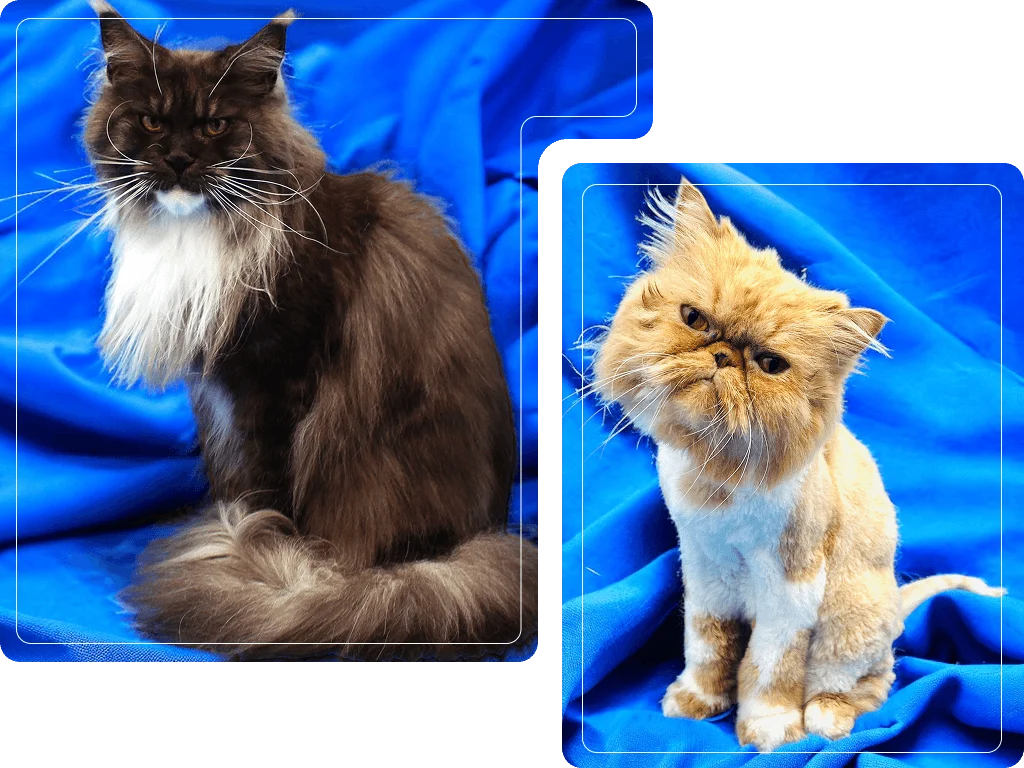
Start here for ordinary trimming, dewclaw checks, repeating maintenance, multiple cats, and optional Soft Paws.
Open mobile claw trimmingUse the claw-health pathway when a claw is tightly looped, touching the pad, embedded, broken, bleeding, swollen, or associated with limping.
Choose the safer care settingUse one-way route miles, number of cats, staffing, and add-ons to build a planning estimate before submitting the address.
Open the rate estimatorComplete City Cat Claws FAQ
These answers describe the routine mobile program. The team still reviews each request because paw condition, behavior, access, and household setup can change the safest plan.
Open the complete FAQMany cats benefit from a repeating interval around four to six weeks, but growth, wear, age, mobility, scratching, and dewclaw curvature should determine the actual schedule.
No. Secure the cat in a quiet enclosed room before the arrival window so the visit does not begin with a household chase.
Yes. Prearranged access may be possible when entry and alarm instructions are confirmed and the cat can be safely secured in the agreed room.
The first visit allows the team to assess movement, paw access, handling needs, and the safest care configuration. Future appointments may be completed solo when appropriate.
Yes. Additional cats in the same home can be included, subject to scheduling, individual handling needs, and current rates.
Yes, when the claws and paws are suitable. Nail caps are applied after trimming and are priced as an add-on.
No. A claw that has entered the paw pad requires clinic-based assessment and may require veterinary care, especially when pain, swelling, discharge, odor, bleeding, or limping is present.
No. It is a planning estimate. Cats in the City confirms route origin, actual distance, number of cats, add-ons, eligibility, and staffing before the appointment.
Secure the cat in the prepared room before the two-hour arrival window begins. Do not rely on locating the cat after the team arrives.
The team works within safety and tolerance thresholds. Care may be paused, partially completed, rescheduled, moved to a clinic, or coordinated with a veterinarian rather than forced.
They may. Aging cats often have changing mobility, reduced natural wear, and claws that become thicker, more curved, or brittle. The interval and handling plan should be individualized.
No. City Cat Claws provides routine mobile claw maintenance and routing. It does not diagnose disease, treat emergencies, or replace veterinary care.
Still deciding where the request belongs?
The request form separates routine growth from possible red flags and gives Cats in the City enough context to review the setting before confirmation.
Routine care, delivered where your cat lives
Tell us about your cat, your address, and any handling considerations. The Cats in the City team will review the request and confirm the safest next step.