
List every cat separately
Include age, medical conditions, medications, last trim, handling history, and the specific concern for each cat.
Mobile claw trimming for multiple cats
Multi-cat appointments can reduce repeated travel and setup, but the cats do not become one case. Room choice, visit order, handling, eligibility, and completion are assessed separately.
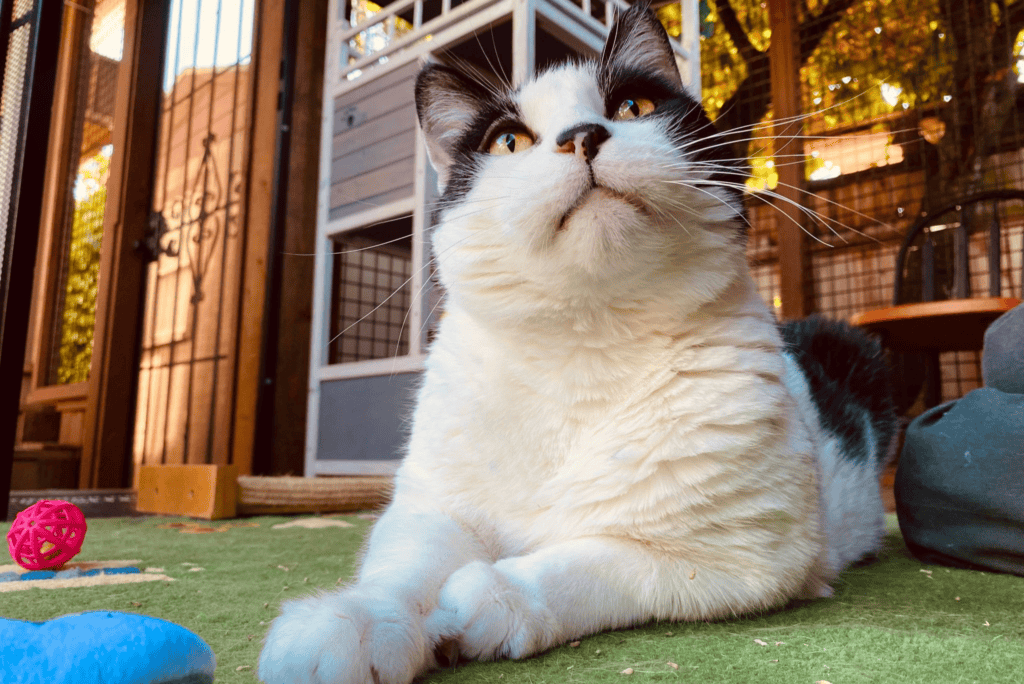
Plan the household before the route begins
Tell us how the cats relate to one another, which cats hide, who redirects stress, and whether each cat can be secured in a separate room.
Include age, medical conditions, medications, last trim, handling history, and the specific concern for each cat.
Separate rooms are often useful when cats crowd doorways, hide together, or redirect stress toward housemates.
Order can be based on recovery, access, medication timing, household dynamics, or which cat becomes harder to locate as activity increases.
Return each cat to a secure quiet space so the next transition does not trigger chasing or conflict.
Same address does not mean same handling plan
A confident young cat, a senior cat with arthritis, and a handling-sensitive cat may all live together while requiring three different approaches.
One cat may need a shorter cycle because of dewclaw curvature or reduced natural wear. Do not delay that cat solely to synchronize the household.
Mobility, pain history, size, and position tolerance can change how each cat is supported and whether two practitioners are needed.
A safe outcome can differ by cat. One may complete all paws while another needs a partial service or a different setting.
A simple multi-cat visit sequence
This prevents one cat’s appointment from turning into a household-wide search or conflict event.
Each scheduled cat is in the agreed room before the two-hour window begins.
The team confirms the paw condition and handling plan before the trim proceeds.
The completed cat is returned to a secure area with a closed door before the next cat moves.
Each cat receives a separate maintenance recommendation rather than one household date by default.
Frequently asked questions
The answers below are also used in the page’s structured data, so the visible content and machine-readable content stay aligned.
Open the complete FAQSometimes, but separate rooms are often easier when cats redirect stress toward one another, crowd the doorway, or have very different handling needs. Share household dynamics in the request form.
The route-based base rate includes the first cat. Each additional cat at the same address is added at the published household rate, with any optional services or staffing adjustments listed separately.
No. Each cat is assessed individually. Order, room choice, staffing, and whether care should proceed can differ within the same household.
Routine care, delivered where your cat lives
Tell us about your cat, your address, and any handling considerations. The Cats in the City team will review the request and confirm the safest next step.