
Trim and assess
Record claw thickness, curvature, dewclaw length, uneven wear, and any handling limitations.
Cat claw maintenance intervals
Four to six weeks is a common planning range, but growth, wear, age, mobility, scratching, paw anatomy, and the previous trim should determine when the next visit belongs on the calendar.
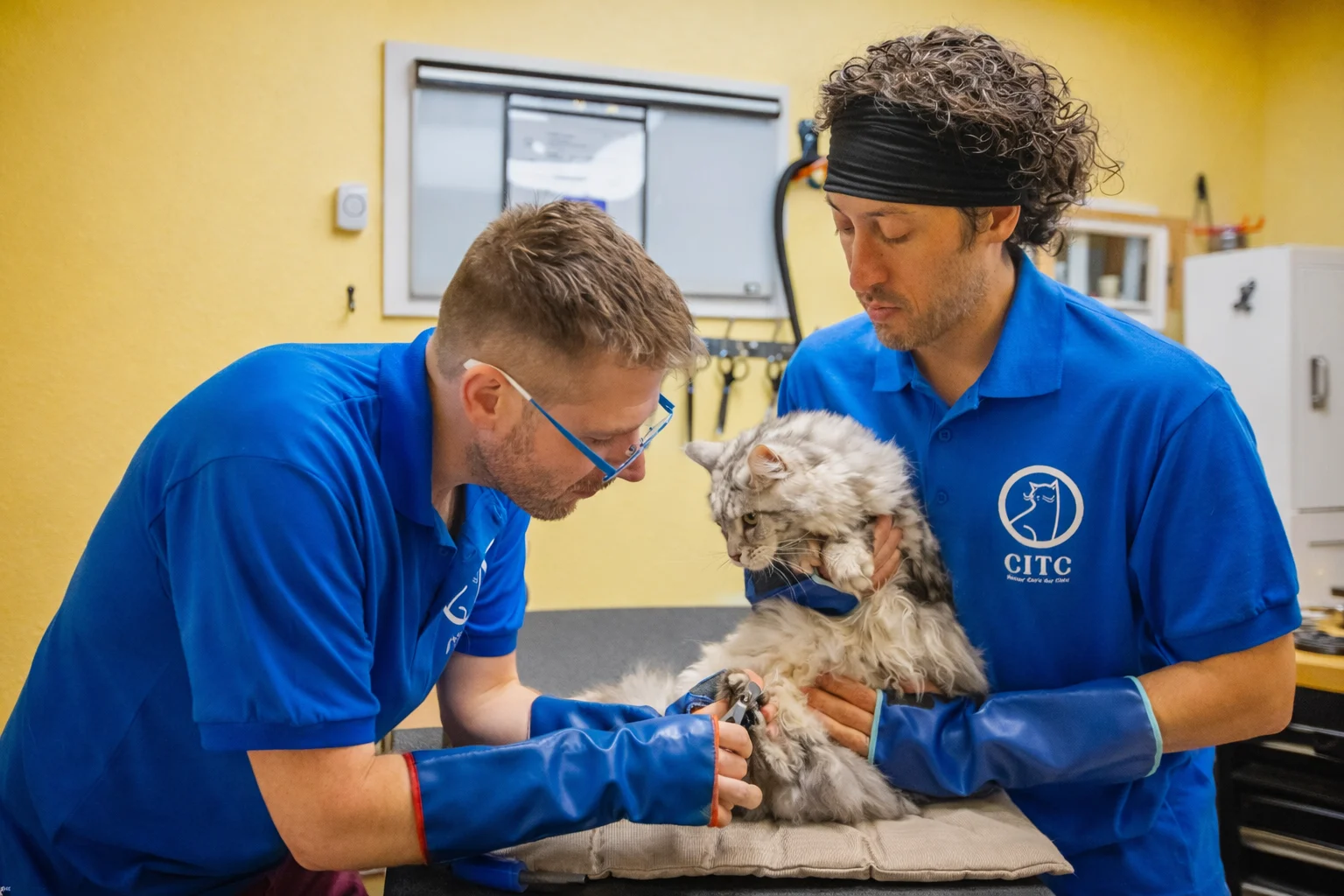
Start with a planning range
A calendar interval is useful only when it prevents tips from becoming hooks, snagging, pressing toward the pad, or creating a crisis between visits.
Record claw thickness, curvature, dewclaw length, uneven wear, and any handling limitations.
Look at all paws before the proposed interval ends, especially in senior cats and cats with low activity.
Shorten the cycle when hooks or pad pressure return early; extend cautiously only when wear and visibility remain reliable.
Five variables that change the interval
Indoor cats can still have very different claw wear. A single household may need different schedules for different cats.
Running, climbing, balance, and weight-bearing influence natural wear. Reduced movement can allow length to accumulate.
Scratching helps renew the claw surface, but it does not guarantee that every claw—especially each dewclaw—stays short enough.
Some cats return to a sharp hook quickly. Previous intervals are useful evidence for the next appointment.
Tight curves, thick claws, and dewclaws can move toward the pad sooner than straighter weight-bearing claws.
Senior mobility changes, arthritis, neurologic disease, and other conditions can alter both natural wear and handling tolerance.
What to check between appointments
Do not wait for snagging or limping as the only reminder. Look while the cat is resting, and handle the paw only when this is safe and familiar.
Look for tips extending well beyond the relaxed paw or catching fabric during ordinary movement.
They do not receive the same ground contact and can curve tightly without obvious floor clicking.
Pressure, contact, or entry into the pad moves the issue out of routine mobile maintenance.
Bleeding, swelling, discharge, odor, limping, or guarding requires a different care pathway.
Frequently asked questions
The answers below are also used in the page’s structured data, so the visible content and machine-readable content stay aligned.
Open the complete FAQNo. Four to six weeks is a common planning range, but the right interval depends on claw growth, activity, scratching, age, mobility, dewclaw shape, and how close the tip is moving toward the pad.
Dewclaws do not contact the ground in the same way as weight-bearing claws, so they may receive less natural wear and can curve tightly without being obvious.
Start with the interval recommended after the trim, then check the paws midway. If tips are already hooking sharply, snagging, or approaching the pad, shorten the next cycle.
Routine care, delivered where your cat lives
Tell us about your cat, your address, and any handling considerations. The Cats in the City team will review the request and confirm the safest next step.